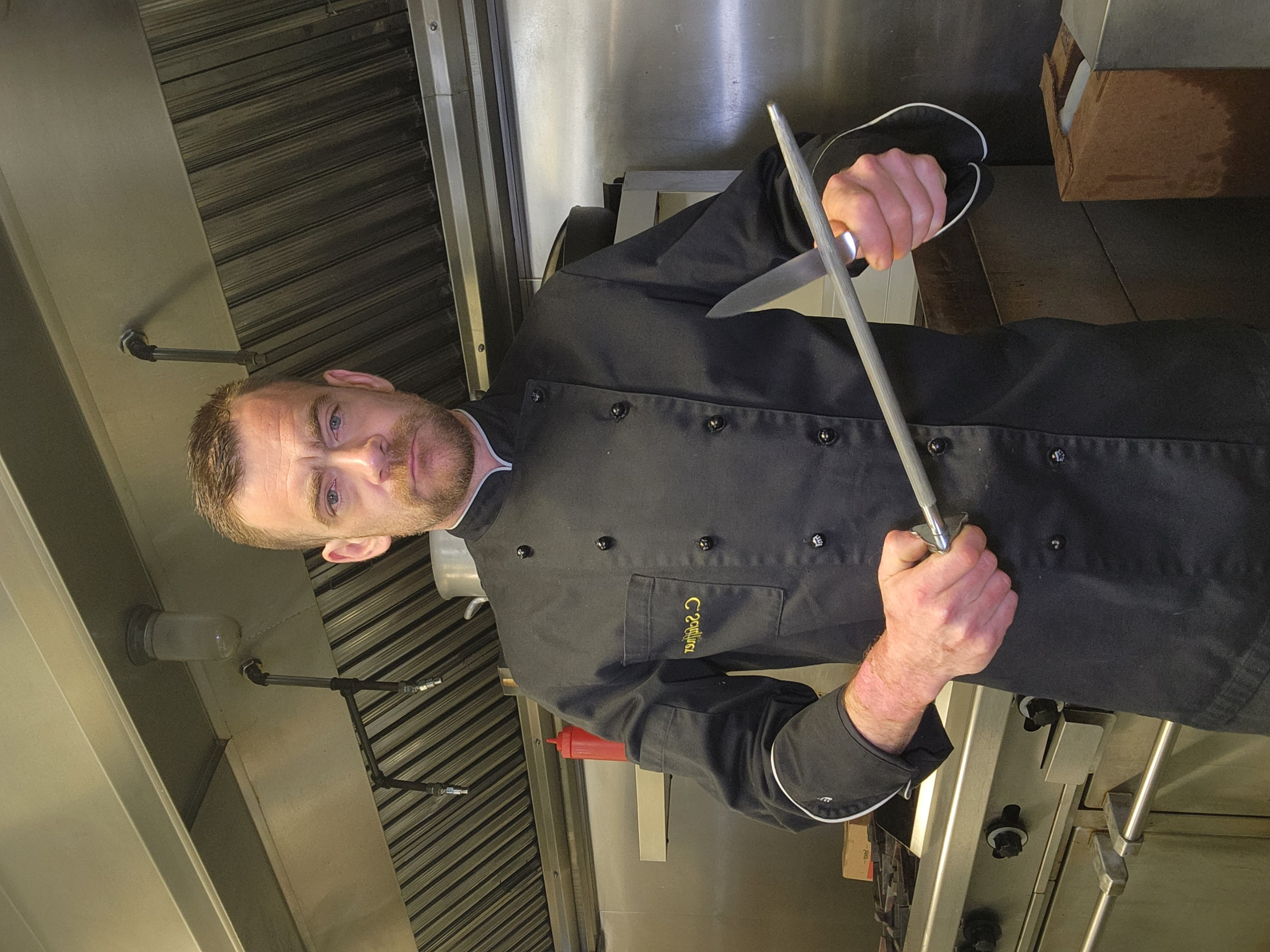
Early in my career I took a job in a kitchen in Switzerland that had no head chef and no sous chef. There was a menu on the wall and one cook who wasn't even in charge of the place. He was only standing at that stove because nobody else would. Everything I needed to know about how that kitchen ran, I had to claw out of people one question at a time. Where things lived. How a dish was supposed to come up. What the standard was for a plate going to the pass. None of it was written down anywhere.
It was a miserable way to learn a job, and I never forgot the feeling. Years later, sitting on the other side of the pass, I watched operators lose good people the exact same way and reach for the exact wrong explanation.
You hire someone good. Three weeks later, they're gone. And the story you tell yourself is about the labour market, or the generation, or the wages. Almost none of it is true. Most of the time the new cook didn't quit on you. They quit a kitchen that never told them what the job was.
What was actually broken
The problem starts on the first shift, in the silence.
The new hire shows up ready. Then nobody hands them anything. No prep list. No spec sheet. No standard for what a finished plate looks like. Just "watch the others and figure it out." So they spend their first two weeks guessing, and getting corrected for guessing wrong, and slowly deciding this place is chaos.
Here's the part operators miss: people can survive hard work. Long hours, a hot line, a brutal Saturday rush. What they can't survive is never knowing whether they're doing it right. That uncertainty is its own kind of exhausting, and it's heavier than any double shift. It's the thing that quietly walks a good cook back out the door before they ever settle in.
The industry tells operators this is a hiring problem. Post more ads. Use a better agency. Pay a little more. But you can't hire your way out of a retention problem, and you can't out-pay a kitchen that nobody can read.
What it actually costs you
Every cook who quits in week three costs you twice. You eat the time you already spent training them, and you start the clock again on finding and training the next one. In the meantime the rest of your line covers the gap, which means your best people are working short and getting tired, which is how the next resignation starts.
That's the real math of turnover. It isn't one departure. It's a slow bleed that lands on the people you most need to keep. If you want to see what your own version of that leak adds up to, the Profit Leak Calculator is a 90-second way to put a number on it. For the wider picture on what drives people out, I broke down the causes in why restaurants have high staff turnover.
The system that stops it
A standard folder fixes more turnover than a raise. It's the cheapest retention tool in the building, and most kitchens don't have one.
You don't need a binder the size of a phone book. Start with four things written down:
- The prep list. What gets prepped, in what quantity, by when. So a new cook knows what their morning is before they walk in.
- The spec. What "done" looks like for each dish, ideally with a photo. This is the single biggest source of first-week corrections, and a one-page spec sheet removes most of them.
- The open. The checklist for getting the line ready for service. Same order, every day.
- The close. The checklist for shutting it down clean. Same order, every day.
None of it has to be elegant. It has to exist. The moment it does, Day One stops being a guessing game and becomes a system a new hire can actually follow. They stop interrupting your best people every four minutes. They start contributing in days instead of weeks. And the thing that usually pushes them out — the sense that nobody here knows what they're doing — never gets a foothold.
The kitchens I worked in over twenty years that kept their people all had the same boring thing in common. Everything that mattered was written down.
Where most operators stop
The usual objection is time. "I don't have a spare week to write all this up." Fair. But you're already spending that time. You're spending it answering the same questions on the floor, fixing the same mistakes, and re-hiring for the same position twice a year. Writing it down once is cheaper than explaining it forever.
The other thing that stops operators is the belief that good cooks should just know. Some of it, sure. But your kitchen isn't every kitchen. Your prep, your specs, your open and close are specific to you, and nobody is born knowing them. Expecting them to be absorbed by osmosis is how you train people to leave.
Start here
Pick one dish tonight and write the spec for it. What it looks like done, plated, going to the pass. One page. That's your standard folder started.
If you want to see what the turnover is already costing you before you build the rest, run the free Profit Leak Calculator — it takes about 90 seconds and shows you the dollar figure most operators never put a number on.
Frequently Asked Questions
Why do new line cooks quit in the first month?
[FAQ_A1 — direct answer, 2-3 sentences]
Does a kitchen SOP reduce staff turnover?
Yes. A written standard folder removes the first-day uncertainty that pushes good hires back out the door. It turns Day One from a guessing game into a system a new cook can follow, which keeps people longer than a pay bump.
What should a basic kitchen standard folder include?
Start with four things written down: the prep list, the spec for each dish (what 'done' looks like), the open checklist, and the close checklist. It doesn't have to be elegant. It has to exist.